What is the PADI Open Water Course? Complete Step-by-Step Guide 2026
What is the PADI Open Water Course? Complete Step-by-Step Guide 2026

Ever dreamed of breathing underwater, floating weightless among colorful fish and swaying corals? The PADI Open Water Diver course is the world's top choice for beginners, giving you the skills and certification to dive independently up to 18 meters deep.
This complete step-by-step guide answers everything about the PADI Open Water Course, from what it covers to how it feels on your first real dive, so first-time divers like you feel ready and excited.
No experience needed, just comfort in water and a doctor's okay, and in just 3-4 days, you'll earn a card valid worldwide, opening doors to ocean adventures everywhere.
Thousands of people take this course yearly because it's safe, fun, and straightforward, taught by certified professionals in small groups. You'll mix online learning, pool practice, and open-water dives to master gear, safety, and basic underwater physics.
Picture yourself hovering effortlessly, spotting sea life up close, all while building confidence step by step. By the end, you'll handle your own equipment, understand dive planning, and feel comfortable exploring reefs with a buddy anywhere in the world.
What the Course Actually Teaches You
The PADI Open Water Course breaks learning into three clear parts that build on each other naturally. Knowledge Development covers the theory you need to understand how diving works and why safety matters.
Confined Water Dives let you practice essential skills in a pool or shallow protected area where you can stand up if needed. Open Water Dives take everything you've learned into the real underwater world, giving you actual diving experience in open water.
You'll learn how to set up your equipment properly, control your position underwater, handle common problems calmly, and communicate with your dive buddy using simple hand signals.
The course teaches you to plan dives safely, understand air consumption, and recognize your limits. Most people finish feeling surprised at how natural diving becomes once you understand the basics and practice the key skills a few times.
Step 1: Knowledge Development – Learning How Diving Works
Your journey starts with theory, which sounds boring but actually makes everything else easier and safer. PADI offers online learning through their eLearning system, letting you study from home on your phone, tablet, or computer before you even arrive at your destination.
The material breaks down into five manageable sections covering dive procedures, equipment basics, the underwater environment, managing your air supply, and handling potential problems.
Short videos explain concepts using clear animations and real diving footage. You'll learn why your ears feel pressure as you descend and how to fix that feeling by equalizing.
The course explains why divers never hold their breath and always ascend slowly. Simple quizzes after each section help you remember what matters most, and you can review anything that seems confusing.
When you meet your instructor face-to-face, they review the key points with you using actual diving gear laid out in front of you. They demonstrate hand signals like the circle made with thumb and finger that means "okay" or the flat hand moved horizontally that means "something's wrong." You'll see how regulators work, how buoyancy devices inflate and deflate, and why weight belts matter.
This review session clears up any confusion and gets you excited to try everything for real in the water.
Step 2: Confined Water Dives – Practicing Skills Safely
Your instructor demonstrates each skill clearly, then watches as you practice it yourself, offering tips to make things easier.
The first skills feel simple but important. You'll learn to clear your mask if water gets inside by tilting your head back and gently exhaling through your nose. You'll practice recovering your regulator if it slips from your mouth by reaching back over your right shoulder or sweeping your arm low.
These basic skills build confidence because you realize small problems have easy solutions.
Next you master buoyancy control, which determines whether you float, sink, or hover perfectly still in mid-water. You'll discover that breathing controls your position, inhaling makes you rise slightly while exhaling makes you sink.
Adding or releasing air from your buoyancy device gives you bigger adjustments. Getting this right takes practice but feels amazing once it clicks, like floating in space.
You'll also learn the buddy breathing technique for sharing air if one person runs low, how to remove cramps from a buddy's leg, and the proper five-point ascent that keeps you safe when returning to the surface. Most courses include four or five confined water sessions, each building your skills and comfort level.
Step 3: Open Water Dives – Your Real Diving Experience
The most exciting part happens when you head out for actual open water dives, usually from a boat or shore entry at a site chosen for calm conditions and interesting things to see.
You'll complete 5 open water dives, starting in shallow water and gradually working up to the full 18-meter depth your certification allows.
Before each dive, your instructor briefs everyone on the site layout, what marine life you might see, how to enter the water, and what skills you'll practice during this particular dive. By this point, most people feel relaxed underwater, breathing steadily, moving gracefully, and actually enjoying the marine life instead of focusing only on skills.
Many divers remember their certification dive as the moment they truly felt like a diver rather than a student.
Understanding Your Scuba Gear
Your equipment becomes your life support system underwater, so understanding each piece matters. The buoyancy control device, usually called a BCD, is like a vest that holds your tank on your back and inflates to make you float or deflates to let you sink. Simple buttons control the air going in and out.
The regulator is the part you breathe from, delivering air from your tank to your mouth at exactly the right pressure for your depth. A backup regulator hangs from your shoulder in case you need to share air with a buddy.
Your mask creates an air space around your eyes and nose so you can see clearly underwater. Fins attach to your feet and turn small leg movements into powerful swimming strokes.
A weight belt or integrated weights in your BCD help counteract your natural buoyancy and the floating tendency of your wetsuit. The wetsuit itself keeps you warm by trapping a thin layer of water against your skin that your body heats up.
A dive computer worn on your wrist tracks how deep you are, how long you've been down, and how much time you have left before you need to surface safely.
Most dive centers provide all equipment as part of the course, fitting everything to your size and explaining how each piece works. You'll learn to check everything before diving, assemble it correctly, and maintain it properly between dives.
Safety Standards That Protect You
You'll learn to always ascend slowly, never faster than your smallest bubbles rise, which gives dissolved gases in your body time to release safely through your lungs. Equalizing your ears early and often prevents discomfort and injury.
Breathing normally and continuously, never holding your breath, is the most important rule because expanding air can damage lungs on the way up if held inside.
Your instructor carries safety equipment including oxygen for emergencies, first aid supplies, and communication devices. They teach you to recognize warning signs of problems like dizziness, extreme fatigue, or confusion, and how to respond by calmly surfacing with your buddy.
The course emphasizes prevention over reaction, planning dives carefully, checking gear thoroughly, and staying within your comfort zone.
What Your Certification Means After the Course
Once you complete all knowledge reviews, confined water sessions, and open water dives, your instructor certifies you as a PADI Open Water Diver. You'll receive a digital certification card immediately through the PADI app on your phone, with a physical card mailed to you shortly after. This certification is recognized at dive centers and resorts worldwide.
Your card allows you to rent equipment, join guided dive trips, or dive independently with a buddy anywhere recreational diving happens.
You can explore coral reefs, investigate shipwrecks in shallow water, swim with larger marine animals, or simply enjoy the peaceful feeling of weightlessness underwater.
Most dive operators will ask to see your certification card and may want to see a recent dive log showing you've been underwater within the last six months.
If you take a break from diving for a year or more, most divers choose to do a quick refresher session in a pool to shake off any rust and rebuild confidence before heading into open water again. These refreshers are shorter than the full course and focus on the skills that matter most for safe, comfortable diving.
Growing Your Skills Beyond Open Water
The PADI Open Water Course is just the beginning of what you can learn. Advanced Open Water certification adds five specialty dives including deeper dives to 30 meters, night diving with flashlights, better navigation skills, and other options.
Specialty courses let you focus on specific interests like underwater photography, wreck diving, fish identification, or diving in currents.
Rescue Diver training teaches you to help others and handle more complex situations, making you a much more confident and capable diver. Eventually you might pursue professional levels like Divemaster or Instructor if diving becomes a passion. Each level opens new experiences and deeper understanding of the underwater world.
Many divers enjoy tracking their dives in a logbook, recording locations, depths, time underwater, marine life spotted, and personal notes. Your logbook becomes a record of your underwater adventures and shows other divers and operators your experience level.
Ready to Start Your Diving Journey?
The PADI Open Water Course transforms curious beginners into certified divers in just a few days of training that feels more like adventure than school. You'll gain skills that last a lifetime, confidence in a completely new environment, and access to 70 percent of the planet that non-divers never experience.
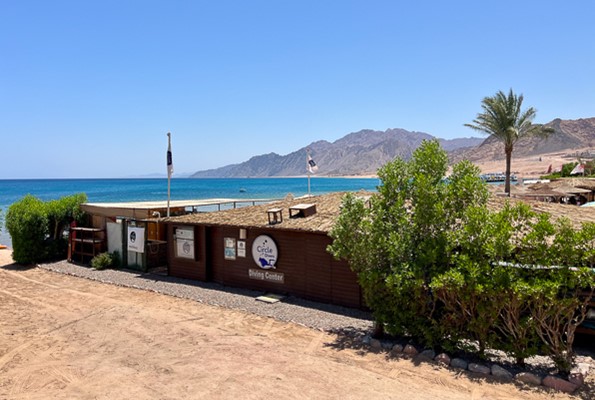
Ready to take your first breath underwater? Circle Divers offers PADI Open Water courses in the beautiful Red Sea locations of Sharm El Sheikh and Dahab, where warm clear water and incredible marine life make learning to dive unforgettable. Contact us to start your diving journey today.