How To Dive the Blue Hole Safely with Circle Divers?
How To Dive the Blue Hole Safely with Circle Divers?

Tell somebody you are going diving in Dahab, and 9 out of 10
people will ask if you plan on diving the Blue Hole in Dahab. You can’t really mention
Dahab without the Blue Hole, Dahab’s most famous dive site, cropping up in
conversation; it even has a National Park named after it.
Located on the edge of the Sinai Desert in Egypt, this
120-meter-deep submarine sinkhole lures thousands of divers every year.
However, the Blue Hole can be a site with two very different
stories – a beautiful shallow paradise for recreational scuba divers or a
dangerous challenge for adrenaline junkies who ignore the rules of the deep.
In this guide, we will explain everything you need to know
about diving the Blue Hole safely, including site conditions, common risks,
recommended dive routes, equipment considerations, and why guided diving with
Circle Divers is the smartest way to enjoy this incredible location.
What Is the Blue Hole?
The Blue Hole is a natural marine sinkhole found around 10
kilometres north of Dahab on the Gulf of Aqaba coastline. The site consists of
a massive vertical opening in the reef, descending to depths well beyond
recreational diving limits.
What makes the site unique is the famous “Arch” — a tunnel
connecting the Blue Hole to the open sea at a depth of around 55 metres. While
this arch has become legendary in the diving world, it has also contributed to
the site’s dangerous reputation when attempted beyond safe recreational limits.
Fortunately, the Blue Hole is not only for technical divers.
There are several fantastic recreational dive routes here that allow divers to
experience the site's beauty safely without reaching extreme depths.
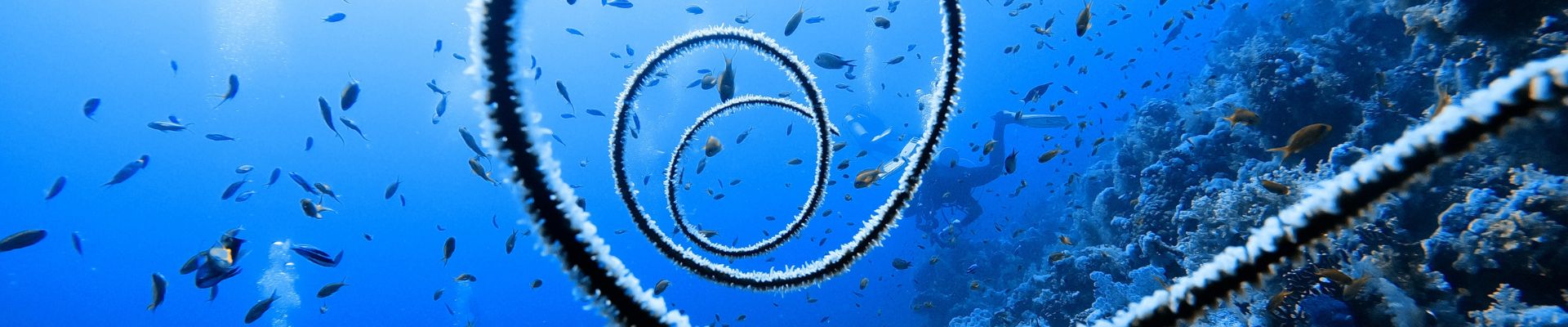
The surrounding reef offers:
·
Spectacular coral
formations
·
Huge schools of reef fish
·
Excellent visibility
·
Dramatic vertical walls
·
Frequent encounters with
tuna, barracuda, and occasionally pelagic species
·
Calm conditions for much of
the year
For photographers, freedivers, recreational divers, and
technical divers alike, the Blue Hole is a truly unforgettable experience.
The Standard Route: The Bells to Blue Hole
The most famous way to dive the site is to start a few
hundred meters north at The Bells. This is a narrow chimney in the reef that
you descend vertically through, exiting onto a stunning wall at about 25
meters.
From there, you keep the wall on your right shoulder and
drift along a sheer vertical drop-off covered in elephant ear corals and
massive gorgonians. Eventually, you cross over the 7-meter saddle and enter the
calm, blue waters of the Blue Hole itself to finish your safety stop.
Why Is the Blue Hole Often Called “The World's Most Dangerous Dive Site'?
You may have seen documentaries calling the Blue Hole the
"Diver's Cemetery." It is important to separate fact from fiction.
·
Is it dangerous for recreational divers? No. As long as you stay
within the PADI recreational limits (max 30m or 40m depending on your Advanced
certification), the Blue Hole is a very easy, current-free, and incredibly
clear dive.
·
Why the bad reputation? The tragedies associated with the Blue Hole
are almost exclusively linked to The
Arch. The Arch is a 26-meter long tunnel that connects the hole to the open
ocean. Because the top of the Arch is at 52 meters, it is strictly out of
bounds for recreational diving.
Divers who attempt to swim through the Arch without
technical training, specialized gas mixes (like Trimix), and redundant
equipment often fall victim to Nitrogen
Narcosis and oxygen toxicity.
Why Dive the Blue Hole with Circle Divers Dahab?
Choosing the right dive centre is one of the most important
safety decisions you can make when diving the Blue Hole.
Circle Divers Dahab is a PADI 5 Star IDC Resort with a
strong reputation for safe, professional, and personalised diving experiences
in the Sinai Peninsula. Their approach focuses on three key priorities:
·
Diver safety
·
High-quality diving
·
Genuine hospitality
When diving the Blue Hole with Circle Divers, you benefit
from:
·
Experienced local dive
guides
·
Detailed site briefings
·
Conservative dive planning
·
Small groups
·
High-quality rental
equipment
·
Proper gas and safety
procedures
·
Honest assessment of diver
ability
Rather than pushing divers into dives beyond their
experience level, Circle Divers emphasises realistic limits and comfortable
progression. This creates a safer and far more enjoyable dive experience.
For newer divers, guided dives focus on the shallower reef
and saddle areas. More experienced divers can explore deeper sections within
recreational limits under professional supervision.
Safe Recreational Dive Routes at The Blue Hole
Many divers are surprised to learn that some of the best
Blue Hole dives stay well within recreational limits.
The Saddle Route
The most common recreational route enters from the
Bells-to-Blue-Hole drift or directly from shore into the Blue Hole itself.
Divers typically:
·
Explore the outer reef wall
·
Enter the Blue Hole via the
shallow saddle
·
Remain within safe
recreational depths
·
Finish with a relaxed
ascent along coral-covered walls
This route offers:
·
Beautiful coral gardens
·
Easy navigation
·
Excellent light conditions
·
Long bottom times
·
Minimal current
It is ideal for Advanced Open Water divers and confident
Open Water divers under suitable conditions.
Bells To Blue Hole
Drift Dive
One of the most iconic dives in Dahab starts at nearby Bells
and drifts north into the Blue Hole.
Divers descend through a narrow chimney-like opening before
emerging onto a dramatic wall dive with stunning visibility and reef scenery.
This route avoids deep profiles while still delivering
spectacular underwater landscapes.
Understanding Your
Limits
One of the most important aspects of safe diving is honesty
about your own experience level.
At the Blue Hole:
·
Recreational divers should
remain within recreational depth limits
·
Newly certified divers
should dive conservatively
·
Deep diving requires proper
training
·
Technical diving requires
technical certification
A responsible dive centre will never pressure you into dives
beyond your comfort zone.
Circle Divers Courses offers a wide range of continuing
education options for divers wishing to improve their skills before attempting
more advanced dive profiles. Popular courses include:
·
Nitrox
Proper training dramatically improves safety, confidence,
and enjoyment underwater.
The Importance of Good Buoyancy Control
At a site like the Blue Hole, buoyancy control is absolutely
critical.
The vertical environment can create the illusion that you
are shallower than you really are. Without reference points beneath you, it is
easy to drift deeper unintentionally.
Good buoyancy skills help divers:
·
Maintain planned depth
·
Reduce air consumption
·
Protect coral
·
Avoid rapid descents
·
Stay close to buddies
·
Improve overall awareness
Before diving the Blue Hole, many divers benefit from a
buoyancy refresher or guided check dive with Circle Divers Dahab.
Gas Management and Dive Planning
Safe diving at the Blue Hole always starts before entering
the water.
Professional dive planning includes:
·
Maximum depth
·
Turn pressure
·
Bottom time
·
Entry and exit procedures
·
Emergency protocols
·
Buddy communication
·
Environmental conditions
At deeper recreational profiles, gas consumption increases
rapidly. Divers who are unfamiliar with deeper diving may underestimate how
quickly their air supply drops.
Circle Divers guides carefully monitor:
·
Group depth
·
Air consumption
·
Diver comfort
·
Conditions
·
Ascent rates
This proactive supervision helps reduce unnecessary risks.
Technical Diving at The Blue Hole
The Blue Hole is also one of the world’s most famous
technical diving locations.
Technical divers visit Dahab specifically for:
·
The Arch
·
Deep wall dives
·
Mixed gas training
·
Trimix courses
·
Advanced decompression
diving
However, technical diving should only be conducted with:
·
Proper certification
·
Redundant equipment
·
Appropriate gas mixtures
·
Detailed decompression
planning
·
Experienced technical
instructors
Circle Divers Dahab Tech Diving offers professional
technical diving programmes for qualified divers looking to safely explore
deeper environments around Dahab.
Attempting technical dives without training is one of the
biggest mistakes divers can make at the Blue Hole.
Marine Life at The Blue Hole
While the Blue Hole is famous for its geology, the marine
life is equally impressive.
Divers may encounter:
·
Napoleon wrasse
·
Moray eels
·
Anthias clouds
·
Lionfish
·
Tuna
·
Barracuda
·
Blue spotted stingrays
·
Turtle sightings
·
Reef sharks on occasion
The surrounding reefs are vibrant and healthy, making safety
stops and shallow sections especially enjoyable for underwater photographers.
The nearby reefs around Dahab also offer an incredible
variety beyond the Blue Hole itself, including:
·
Canyon
·
Abu Helal
·
Lighthouse Reef
·
Eel Garden
·
Islands
Many divers combine several local dives into a complete
Dahab diving holiday with our dive centre in Dahab.
Essential Safety Tips for Diving the Blue Hole
1. Dive Within Your
Certification Level
Never exceed your training limits.
2. Listen To Your
Guide
Local knowledge matters enormously at the Blue Hole.
3. Monitor Your Depth
Constantly
Do not rely solely on visual references.
4. Maintain Excellent
Buoyancy
Control prevents accidental deep descents.
5. Watch Your Gas
Supply
Deep water increases gas consumption quickly.
6. Stay Close to Your
Buddy
Good buddy awareness improves safety significantly.
7. Avoid Peer
Pressure
You never need to prove anything underwater.
8. Use Proper
Equipment
Ensure all equipment is serviced and appropriate.
9. Do Not Attempt the
Arch Recreationally
The Arch is a technical dive.
10. Always dive with
a professional guide or instructor.
Professional supervision makes all the difference.
Experience The Blue Hole the Right Way
The Blue Hole deserves its legendary status. Few dive sites
on Earth combine such dramatic underwater landscapes with easy shore access and
year-round diving conditions.
But safe diving here depends entirely on attitude,
preparation, and professional guidance.
Respect your Limits:
Never, under any circumstances, try to dive the Arch unless you are a certified
Technical Diver on a planned deco-stop mission with a qualified tech-diving
center.
With Circle Divers Dahab, divers can experience the
Blue Hole safely while benefiting from expert local knowledge, conservative
dive planning, and a welcoming dive community atmosphere.
If you want to explore the legendary Blue Hole the right
way, dive smart, stay within your limits, and trust experienced professionals
who understand these waters better than anyone.