Red Sea Marine Life Guide: What Creatures You'll See on Your Diving Holiday
Red Sea Marine Life Guide: What Creatures You'll See on Your Diving Holiday

Slip into the warm, crystal-clear waters of the Red Sea off Sharm El Sheikh and Dahab, Egypt, and enter a vibrant underwater world teeming with life. Over 1,000 fish species, 150 coral types, and unique creatures like endemic nudibranchs make this one of the planet's top diving hotspots.
This comprehensive guide educates you on every major group of marine life you'll encounter, from colorful reef fish to massive whale sharks, helping beginners and pros spot them safely on Circle Divers trips.
Whether snorkeling shallow reefs or diving deep walls during PADI courses or liveaboards, understanding these animals enhances your holiday and respects their habitat.
The Red Sea's biodiversity thrives due to its stable warm waters (24-30°C year-round), high salinity, and nutrient upwellings that fuel plankton blooms.
Protected areas like Ras Mohammed National Park preserve reefs from overfishing and damage. Circle Divers' expert local guides share spotting tips, ensuring ethical encounters, no touching, maintain distance from sharks, and follow no-feed rules.Visibility often exceeds 30 meters, revealing layered ecosystems from sandy flats to dramatic drop-offs.
Vibrant Reef Fish Families
Reef fish dominate the scene, schooling in thousands and adding constant motion to corals.
These hardy species adapt to reef life, feeding on plankton, algae, or smaller prey while hiding from predators in crevices.
- Clownfish and Anemonefish: Orange with white stripes, these 10cm bold protectors live symbiotically in sea anemones, darting out to chase intruders. Common on shallow Sharm reefs, they're ideal for snorkelers.
- Butterflyfish: Slender, disc-shaped swimmers (15-20cm) in pairs, with long snouts for polyp-picking. Spot raccoon (black mask), longnose (extended beak), and masked varieties flitting in Dahab gardens.
- Angelfish: Regal (40cm, blue-yellow stripes) and emperor types patrol fans boldly; French angelfish blend with smaller size. Their spiny fins and graceful pivots shine in photos.
- Surgeonfish and Tangs: Blue tangs (like Dory) and yellow surgeons graze algae with tail spines. Schools create blue clouds over reef crests.
- Wrasses and Parrotfish: Cleaner wrasses nibble parasites from larger fish; colorful parrotfish (up to 1m) crunch corals with beak-like teeth, pooping sand that builds beaches.
- Anthias and Basslets: Pink fairy basslets form hovering clouds (5-10cm), turning reef tops into shimmering veils, especially at wrecks like Thistlegorm.
These fish thrive in healthy reefs, signaling good dive sites. Watch their behaviors - mating dances, cleaning stations - for immersive education.
Thrilling Sharks, Rays, and Pelagics
Large predators add excitement, cruising openly but rarely aggressive toward divers.
They follow plankton or hunt fish packs, visiting cleaning stations where smaller fish polish them.
Sharks here are mostly reef dwellers or ocean roamers, with grey reef sharks (2m) patrolling walls in loose groups, tilting into hunting postures. Oceanic whitetips venture offshore on liveaboards, while hammerheads school at Tiran pinnacles in cooler months.
Reef mantas (7m wingspan) loop through plankton patches at Elphinstone, somersaulting for divers. Eagle rays flap sandy bottoms for buried clams, and stingrays bury in shallows, tails up for defense.
Whale sharks (12m giants) filter-feed summer plankton blooms offshore, calm, spotted behemoths that approach boats curiously.
Hidden Hunters: Eels, Blennies, and Camouflage Experts
Crevice-dwellers ambush prey, blending seamlessly with reefs. Giant morays (3m, thick as your arm) gape from holes, yellow eyes fixed; they hunt with groupers via "hunting partnerships," flushing fish out.
Lionfish invade with venomous spines, fanning slowly over wrecks like Abu Nuhas, beautiful invaders now culled in some areas. Scorpionfish and stonefish mimic rocks perfectly; one fin poke delivers intense pain, so hover above.
Flatheads and frogfish sway lures to entice meals, while honeycomb morays coil in fans with polka-dot skin. Blennies pop from holes like jack-in-boxes, guarding eggs fiercely.
Invertebrate Marvels and Macro Gems
Small critters reward patient eyes, especially with a macro lens. Nudibranchs (sea slugs, 5-30cm) crawl in explosive colors,chromodoris with blue backs, hypselodoris in purple, laying curly egg ribbons after mating.
Octopuses (blue-ringed to common, up to 1m) change texture and color instantly, jetting ink clouds or solving jars for food. Cuttlefish hypnotize prey with pulsing waves.
- Crustaceans: Cleaner shrimp wave signals at stations; hermit crabs trot shells; pistol shrimp snap bubbles to stun fish.
- Echinoderms: Sea urchins (black long-spine) shelter fish; crown-of-thorns devour corals (spiny pests); starfish regenerate arms.
- Mollusks: Cone snails dart venom harpoons; cowries hide in glossy shells; feather duster worms retract fast.
Blue Hole macro dives overflow with these, perfect for Advanced Open Water students.
Turtles, Dugongs, and Mammal Visitors
Green turtles (1m) munch seagrass meadows, hawksbills (smaller, hooked beaks) prefer sponges and barnacles on reefs. They glide leisurely, surfacing every 5-10 minutes, nesting females haul ashore nearby beaches May-September.
Rare dugongs (sea cows, 3m) graze seagrass, shyly fleeing boats. Pods of spinner dolphins leap acrobatically, sometimes bow-riding whale sharks for play.
Coral Reef Foundations and Health
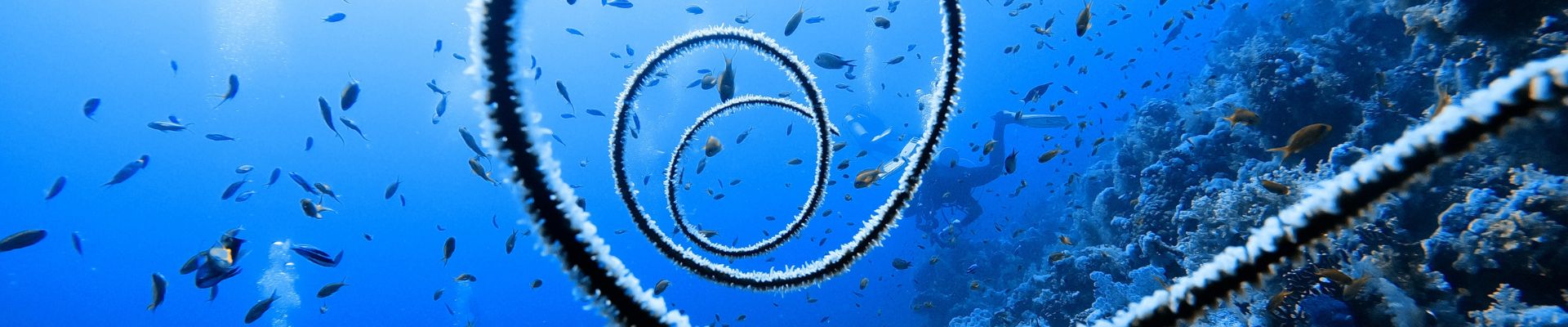
Corals architect the ecosystem. Hard types, brain (bumpy lobes), table (flat shelves), staghorn (branching), build structures over centuries. Soft corals like gorgonians (sea whips) and leathertails sway in currents.
Fire corals sting like plants; pulsing xenia contracts rhythmically. Bleaching threatens from warming, but protected reefs rebound, Circle Divers supports reef-safe sunscreen and no-touch policies.
Top Sites and Seasonal Strategies
- Ras Mohammed: Sharks, rays, fish tornadoes in bays and channels.
- Straits of Tiran: Hammerheads, turtles on pinnacles.
- Dahab Blue Hole/Canyon: Nudibranchs, morays in walls.
- Sharm Wrecks (Dunraven, Abu Nuhas): Lionfish, scorpionfish amid history.
Summer peaks whale sharks/mantas; winter barracuda schools. Dive 18-30m depths with neutral buoyancy to protect all.
Dive Smart with Circle Divers
Master spotting via PADI courses, Open Water for basics, specialties for macro/night. Book day boats from Sharm/Dahab, liveaboards for remoteness, or snorkel safaris. Families thrive in shallows; pros chase pelagics.
Secure your Circle Divers adventure now, dive into Red Sea wonders responsibly.