How Healthy Are the Coral Reefs of the Red Sea in Sharm El Sheikh and Dahab?
How Healthy Are the Coral Reefs of the Red Sea in Sharm El Sheikh and Dahab?

One of the questions we were asked most at
recent dive shows and events was “How healthy are the coral reefs in Sharm
el-Sheikh and Dahab?”
The good news is that the northern Red Sea coral reefs are among the
healthiest and most resilient in the world, making them one of the best
places for scuba diving. In fact, marine biologists often refer to the Red Sea
reefs as “super-reefs”.
Why Are the Reefs of The Red Sea Called Super Reefs?
The reefs of the Red Sea are often called
“super reefs” because of their extraordinary resilience to environmental
stress, particularly rising sea temperatures.
While many coral systems around the world
have suffered severe bleaching events, Red Sea corals have shown a unique
ability to tolerate higher temperatures — a trait scientists attribute to their
evolutionary history and natural heat resistance. Recent reports suggest Egypt’s super corals have achieved
a staggering 85% recovery following the record worldwide reef bleaching in
2024.
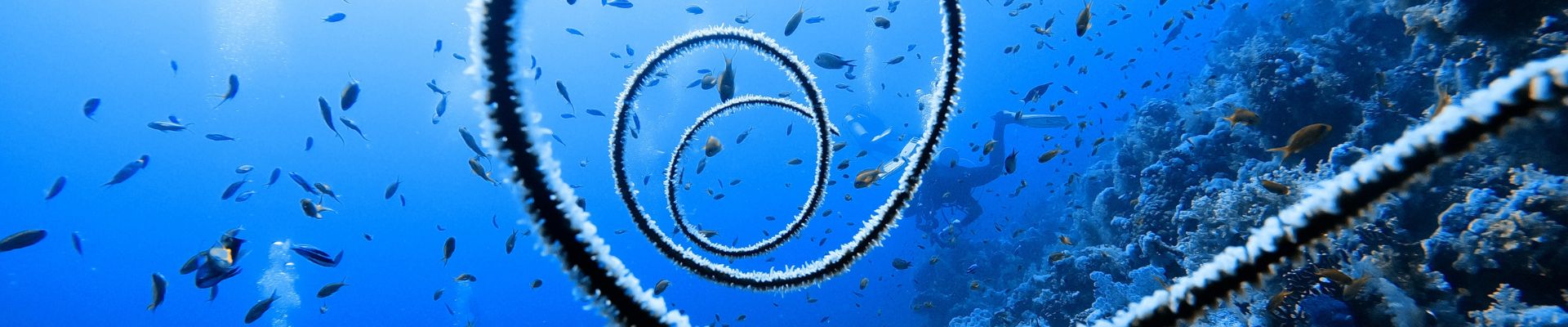
Combined with exceptional biodiversity and
relatively stable conditions in areas like Sharm el- Sheikh and Dahab, these
reefs are seen as a potential refuge for coral ecosystems in a warming world,
making them globally important for the future of our ocean
Why Red Sea Coral Reefs Are So Resilient
Scientists have discovered that coral reefs
in the northern Red Sea are unusually resistant to rising ocean temperatures.
This is because many coral species migrated
north from warmer waters thousands of years ago. Only the most heat-tolerant
corals survived the journey, meaning today’s reefs are naturally adapted to
warmer water conditions.
As a result, reefs around Sharm el-Sheikh
and Dahab are considered among the most climate-resilient coral reefs in the
world.
For divers, this means the Red Sea
continues to offer vibrant coral reefs and exceptional underwater biodiversity.
Coral Reef Health at Sharm El Sheikh Dive sites
Sharm el-Sheikh is one of the most famous
diving destinations in the Red Sea. Located at the southern tip of the Sinai
Peninsula, it offers access to spectacular reefs and marine parks.
Many of the best dive sites in Sharm are
located inside protected areas such as:
These areas are famous for:
·
Dramatic coral walls
·
Huge schools of fish
·
Healthy coral coverage
·
Pelagic encounters such as
barracuda and reef sharks
Because these dive sites are protected and
heavily monitored, the coral reefs remain in
excellent condition, making them perfect for divers looking for world-class
Red Sea scuba diving in Sharm el Sheikh.
Coral Reef Health in Dahab
Dahab offers a completely different diving style compared to Sharm. The majority of dive sites in Dahab are accessible
directly from the shore, making it one of the best places in the world for
relaxed and affordable diving and snorkeling.
Some of the most famous dive sites include:
The reefs around Dahab feature:
·
Colourful coral slopes
·
Large coral pinnacles
·
Abundant reef fish
·
Frequent turtle sightings
Because many dives are done from the beach
rather than boats, the reefs often suffer less
anchor damage, which helps maintain coral health.
For many divers, scuba diving in Dahab is one of the most natural and relaxed ways
to explore the Red Sea reef ecosystem.
Responsible Diving Helps Protect Coral Reefs
Divers can help protect the reefs of Sharm
El Sheikh and Dahab by following a few simple rules:
·
Maintain good buoyancy control. (Consider
taking the PADI Peak Performance Buoyancy Specialty.)
·
Never touch coral or marine
life
·
Avoid kicking coral with fins
·
Choose environmentally
responsible dive centres. At Circle Divers, our professional guides and
instructors have over a century of combined diving experience – over 100 years
of helping to protect the reefs!
·
Use reef-safe sunscreen
Responsible diving helps ensure the reefs
remain healthy for future divers.
Why Divers Still Choose Sharm El Sheikh and Dahab
The Red Sea is consistently ranked among
the top diving destinations in the world
thanks to its unique marine ecosystem.
Divers visiting Egypt can expect:
·
Exceptional underwater
visibility (often exceeding 30 meters) makes it a paradise for snorkelers and
divers alike. 30+ metres)
·
Hundreds of species of reef
fish
·
Vibrant hard and soft coral
gardens
·
Warm water year-round
·
A mix of shore diving and boat diving
This makes scuba diving in the Red Sea ideal for both beginners learning to
dive and experienced divers exploring deeper reef walls and wrecks.